
Issue 002 — 5 September 2026
×01 / 10
Saturday Service — Issue 002 — Saturday 5 September 2026
Half the City, Plus One
The Boca Juniors Series goes home to La Boca
From the editor
A club you can walk around
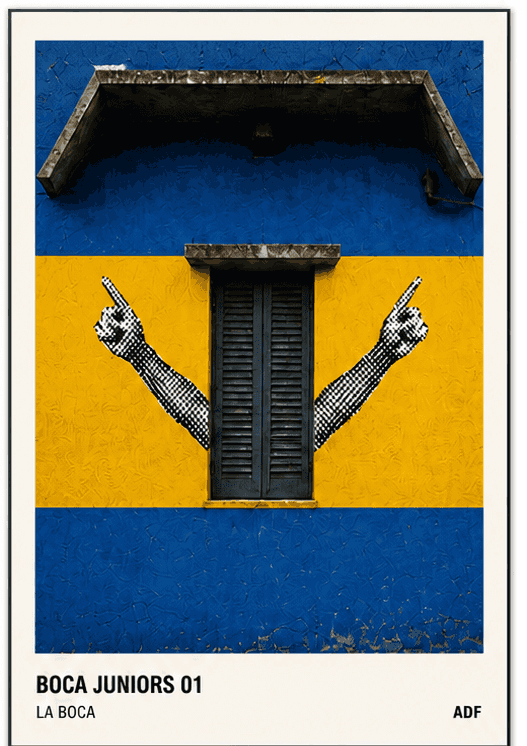
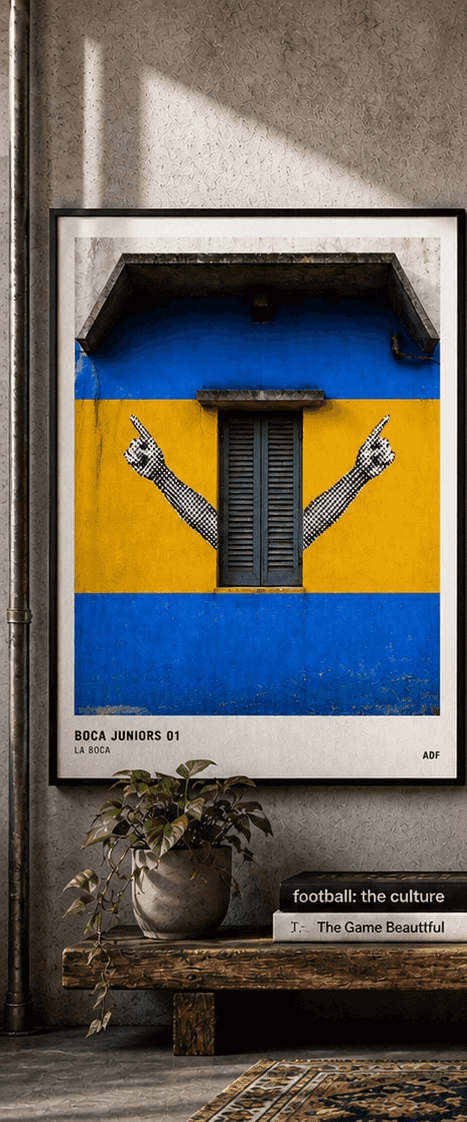
Most clubs are a stadium with a city attached. Boca is the other way round: a few dockland streets by the Riachuelo that happen to contain a football ground, painted the same two colours as the houses.
That's why this series is three pieces about a neighbourhood rather than three pieces about a team. Beauty comes first. Victory is secondary. What matters is joy — and in La Boca, joy has a postcode.
Boca Juniors 01 — La Boca
Cover story
Blue and gold, and the ship that may never have docked
The club was founded on 3 April 1905 in Esteban Baglietto's house in La Boca, by five sons of Italian immigrants. Xeneize — the nickname the city still uses — comes from zeneise, Ligurian for Genoese.
The colours came later, and here the record and the romance part company. What is documented is a club minute of 5 April 1907: president Juan Rafael Brichetto proposes blue and yellow. What is told instead, everywhere, is that the founders agreed to take the colours of the next ship to sail into the port — and that she flew the flag of Sweden.
No 1907 minute mentions a ship. The story surfaces around 1934, and even its tellers disagree on which vessel. Which is not a reason to stop telling it: a club that chose its identity from whatever the river brought in is a truer account of an immigrant dockland than any committee vote. Just don't call it history.
La Bombonera while empty is comparable to how you feel watching the people you love while they sleep.
— Alessandro Baricco (translated), via Goal
The ground
The chocolate box
The plot was too small, so the architects bent the rules: three steeply raked curved stands and one flat vertical wall, stacked almost on top of the pitch. It opened on 25 May 1940 with a friendly against San Lorenzo, won 2-0.
The name came before the ground did. Slovenian architect Viktor Sulcic was given a box of chocolates for his birthday, noticed it looked like his drawings, and carried it into design meetings. La Bombonera. The third tier arrived in 1953 and sealed the shape.
What the terraces say about it can't be attributed to anyone, which is the surest sign it belongs to everybody: the Bombonera doesn't tremble. It beats.
The series
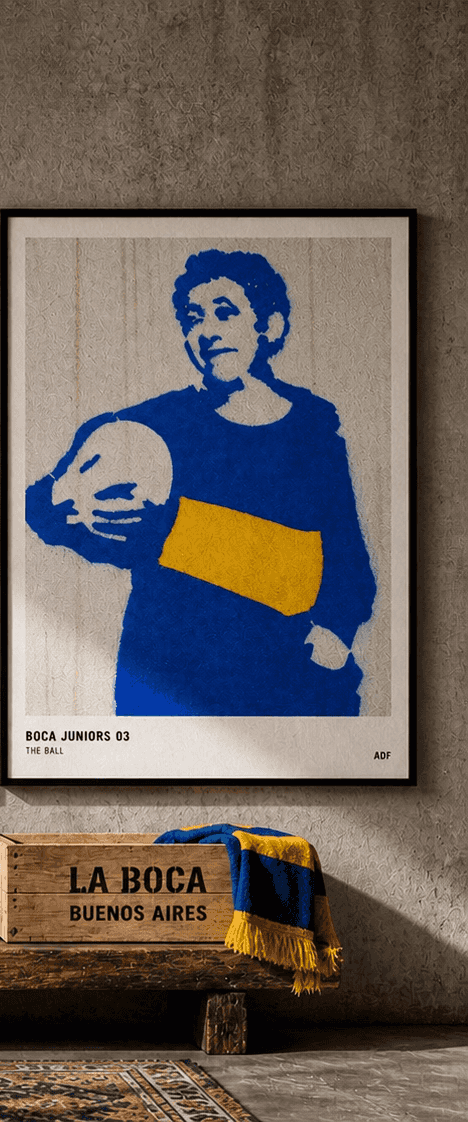
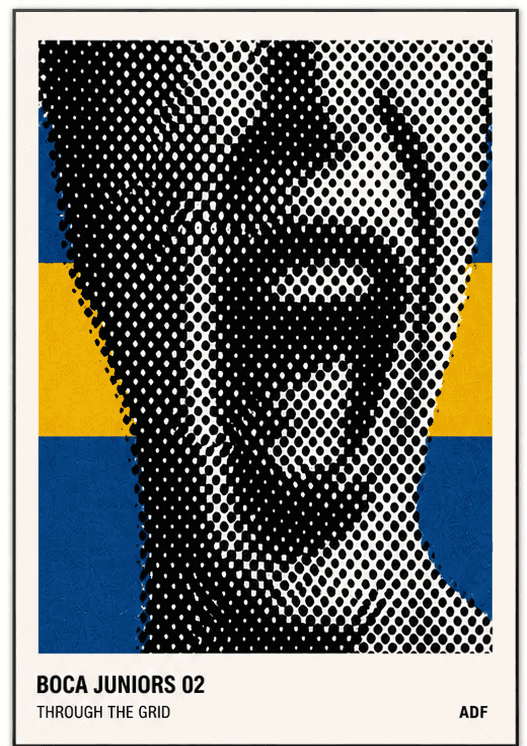
Boca Juniors 01—03
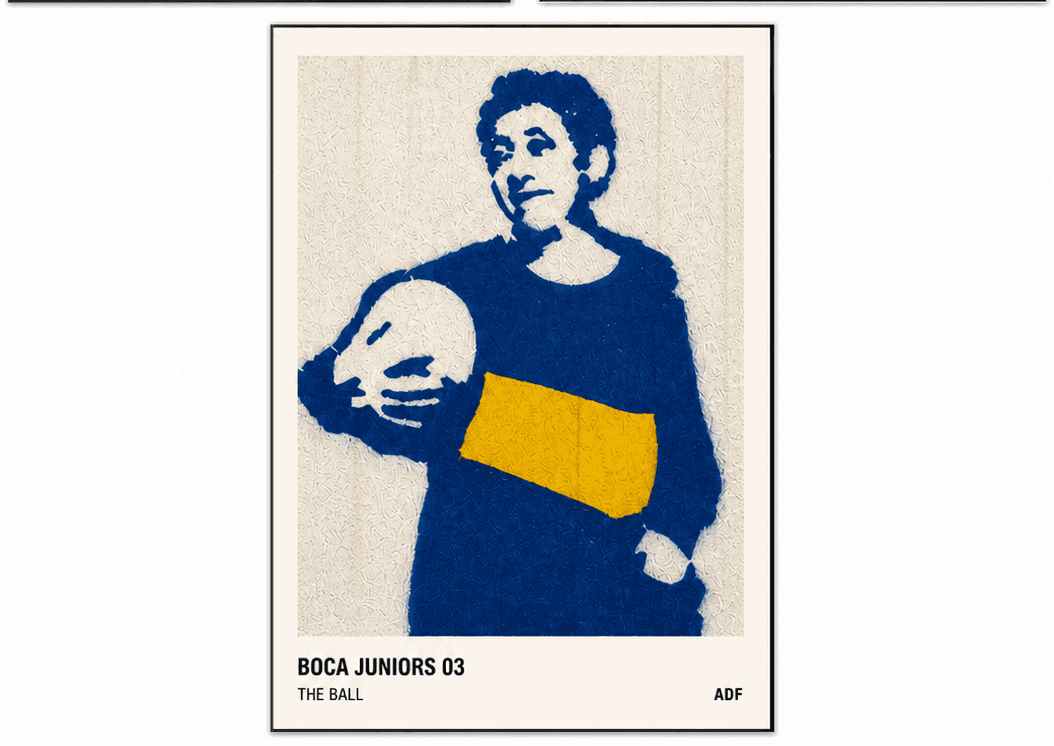
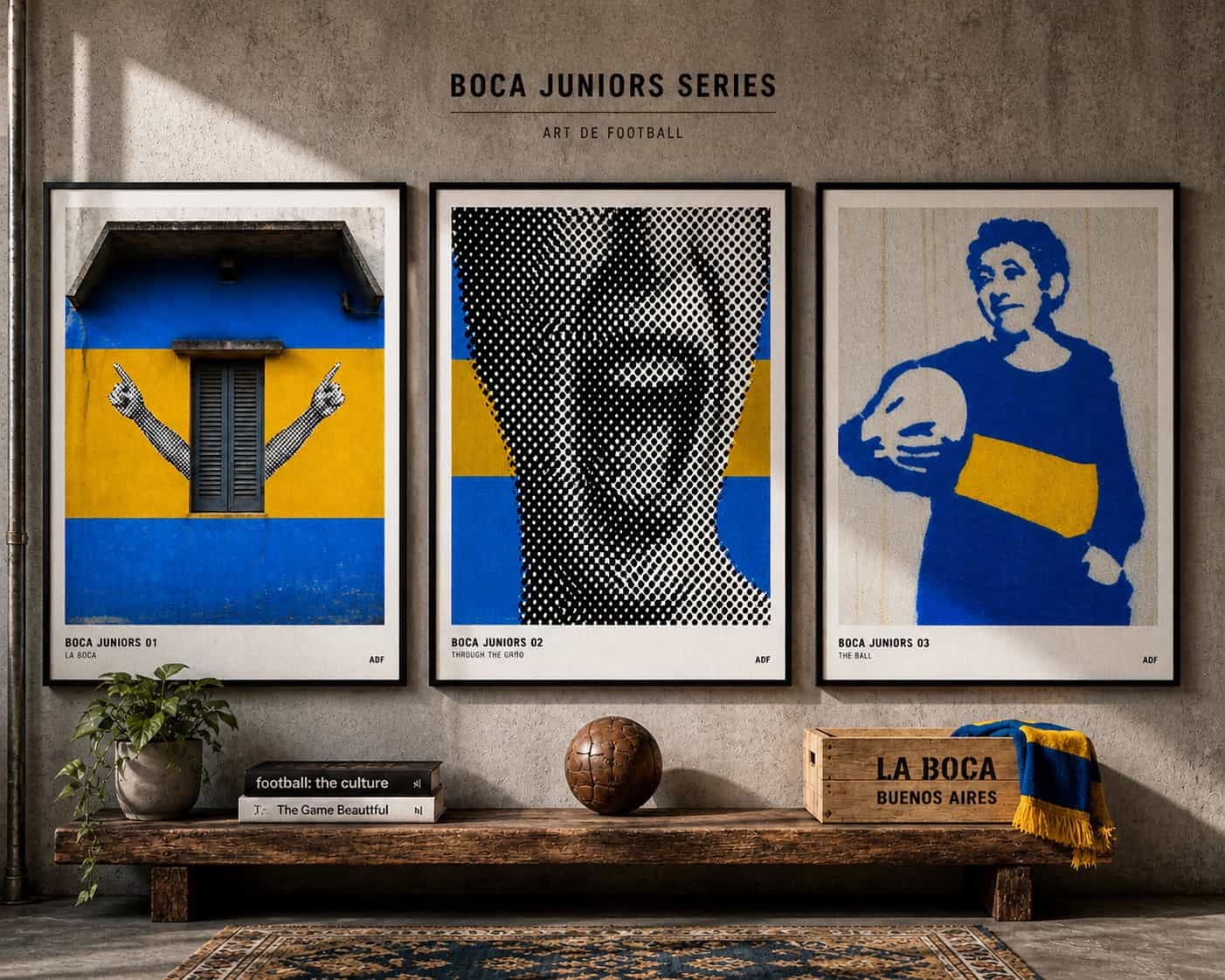
The twelfth player
Toto paid for the tour
In 1925 Boca sailed for Europe and played nineteen matches. A wealthy supporter, Victoriano 'Toto' Caffarena, paid his own way, went along, and ended up doubling as kit man, masseur and stand-in coach.
The players called him the twelfth player. A century later the whole support answers to it — proof that the best thing a crowd can be told is that it counts.
The neighbourhood has kept producing its own since. Maradona, twice. Riquelme, who arrived on 10 November 1996, won three Libertadores, and in December 2023 was elected president of the club he grew up worshipping.
The Boca calendar
Dates the neighbourhood keeps
1905
3 April — five founders in a front room
Boca Juniors is founded in La Boca by five sons of Italian immigrants. The colours arrive two years later.
1940
25 May — La Bombonera opens
The chocolate box is inaugurated with a 2-0 win over San Lorenzo. Eighty-plus years on, it still doesn't tremble.
1981
22 February — Maradona's official debut
Two goals against Talleres in a 4-1 win, both from the penalty spot. He would win that year's Metropolitano — his only title with the club.
2000
28 November — champions of the world
In Tokyo, Palermo scores in the third and sixth minutes as Boca beat Real Madrid 2-1, with a 22-year-old Riquelme running the game at his own tempo.


See you Saturday, 3pm
The Boca Juniors Series prints are coming to the shop shortly. Issue 003 arrives on the first Saturday of next month — one email per edition, and it comes to you.
Next issue: México 86, and the four minutes that split football in two.